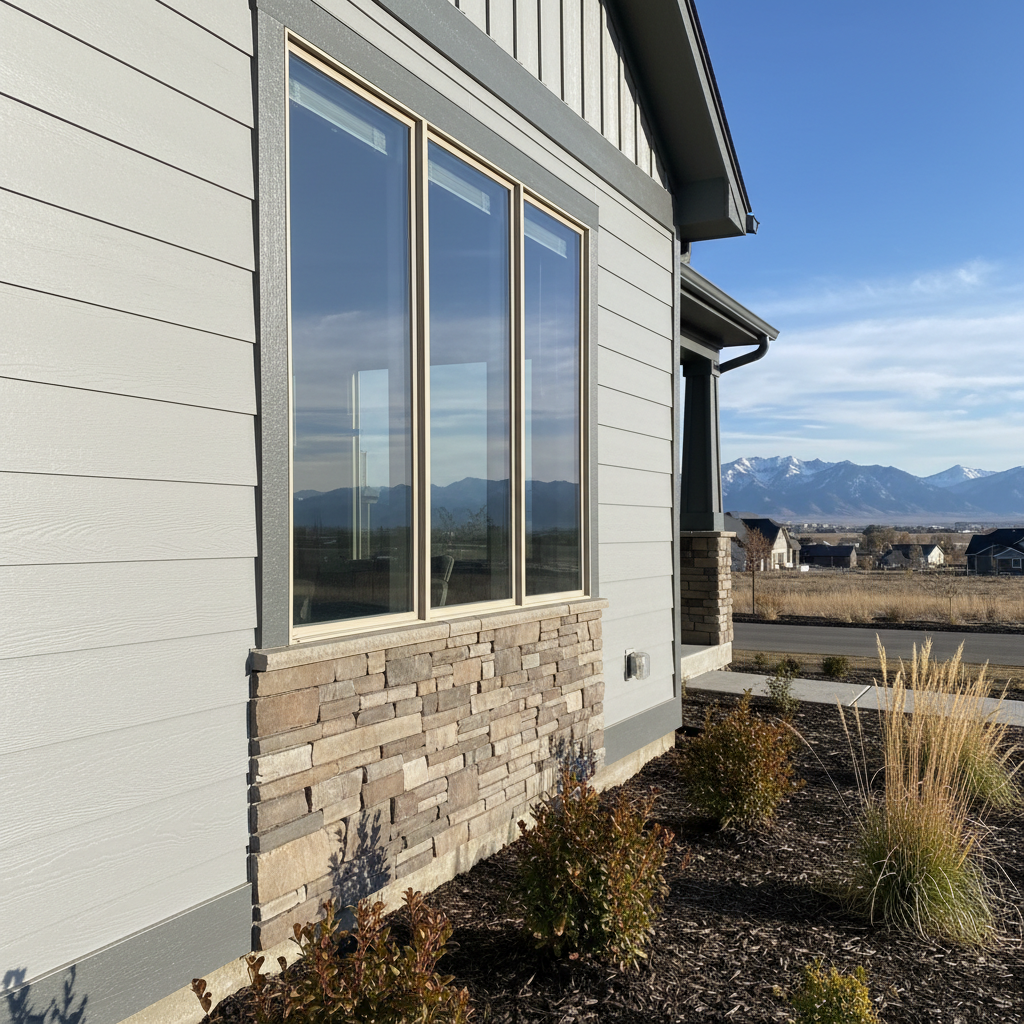
So, you just put up new siding, or maybe yours has been there a while and you want it to last. Good for you. Modern siding materials are tough, sure, but they're not bulletproof, especially with the crazy weather we get here in Provo. You really do need to give it some attention if you want it to protect your home and keep looking good for decades. It's not rocket science, but you do need a little know-how.
How to Make Your Siding Last Longer: Simple Habits
The best thing you can do for your siding is keep it clean and dry. Sounds easy, right? Well, that's often where the trouble starts.
- Clear Out Those Gutters: This is a big one. When gutters get clogged, water spills over and streams down your siding, especially around the eaves and corners. That constant dripping can lead to mildew, rot (if you've got wood siding), or even weaken the siding material over time. I've seen homes in older neighborhoods like Joaquin or Franklin where neglected gutters caused serious damage — all preventable with a simple annual cleaning.
- Trim Back the Plants: Bushes, trees, and vines growing too close to your house are a real problem. They trap moisture against the siding, block the sunlight it needs to dry, and in a strong wind, they can even scrape up the surface. Give your siding some room to breathe — at least six to twelve inches.
- Watch Your Sprinklers: Don't let your sprinkler heads constantly soak your siding. That repeated wet-dry cycle, especially with our hard water, can leave mineral deposits and encourage mold. Adjust them so they're watering your lawn, not your house.
- Clean It Regularly: A good wash once a year, maybe twice if you're in a dusty spot or near a busy road, makes a huge difference. Usually, a soft brush and a garden hose are all you'll need. For tougher grime, a mix of mild detergent and water works. Just be careful with high-pressure washers; unless you really know what you're doing, they can force water behind the siding or damage the material itself.
What Regular Maintenance Looks Like
Beyond just cleaning, you should do a quick visual check-up at least once a year. Spring's usually a perfect time, after the snow melts and before everything gets too green.
- Walk Around Your House: Seriously, just take a slow stroll. Look at your siding from different angles. See any obvious spots that just don't look right?
- Check Caulking and Sealants: Pay extra attention around windows, doors, and where different materials meet. Caulk dries out, cracks, and pulls away over time, especially with our freeze-thaw cycles. If you spot gaps, scrape out the old caulk and put down a fresh bead of exterior-grade sealant. This is a cheap fix that can prevent expensive water damage.
- Look for Loose Panels or Boards: Sometimes, a strong wind or just plain age can make a piece of siding come loose. If you catch it early, it's often a simple re-nail or re-screw. But if you leave it, it can flap around, get more damaged, or expose the sheathing underneath.
- Inspect for Pests: Wasps, birds, and even rodents sometimes try to make homes behind or inside siding. Look for nests, holes, or other signs of activity. Taking care of these early stops bigger infestations and damage.
Warning Signs of Bigger Problems
These are the things that tell you something's not quite right and probably needs more than a quick scrub.
- Cracks, Gaps, or Holes: Any break in the siding's surface is an open invitation for water, insects, and cold air. Even small cracks can grow fast with temperature changes.
- Warping, Buckling, or Swelling: This often points to moisture getting in or improper installation. If your siding isn't lying flat against the house, it's not doing its job.
- Persistent Stains or Discoloration: Beyond just surface dirt, if you see dark streaks, green patches (algae/mold), or rust stains that won't wash off, it means there's a deeper issue. It could be water trapped behind the siding, a leaky gutter, or even a problem with the material itself.
- Peeling Paint or Finish: For painted siding, peeling means the protective layer is gone, leaving the material vulnerable.
- Soft Spots: If you can gently press on a section of siding and it feels soft or spongy, that's a huge red flag for rot underneath. This is especially common with older wood siding.
- Increased Energy Bills: Sometimes, damaged siding isn't obvious to the eye, but you'll feel it in your wallet. If your heating or cooling bills suddenly jump without other changes, your siding might not be insulating your home properly.
When to Call a Professional
Look, I'm all for homeowners doing what they can. But some jobs are just beyond a DIY fix, or they need special tools and expertise. Here's when you should pick up the phone:
- Extensive Damage: If you've got big sections of siding cracked, warped, or missing, especially after a major windstorm or hail, it's time for a pro. We can assess the full extent of the damage, including what's going on underneath.
- Water Intrusion: If you suspect water is getting behind your siding and into your wall structure — maybe you see water stains inside your home, or there's a constant musty smell — don't wait. This is serious and can lead to structural damage and mold.
- Rot or Pest Infestation: If you find significant rot or signs of pests like carpenter ants or termites, you need an expert. They can figure out the cause and fix the damage correctly.
- Siding Replacement: Obviously, if your siding is at the end of its life and needs to be fully replaced, that's our bread and butter at Pacific Siding Inc. We've got the experience to handle everything from picking the right materials to proper installation that stands up to Provo's unique climate challenges.
- You're Unsure: Honestly, if you're not confident about what you're seeing or how to fix it, just call us. A quick inspection can save you a lot of headaches and money down the road. It's better to be safe than sorry when it comes to your home's exterior envelope.
Taking care of your siding isn't the most glamorous home maintenance task, but it's one of the most important. A little effort now can prevent major problems and keep your Provo home looking sharp and protected for years.